One of the most noticeable and immediate signs of heroin use can be seen in the eyes, commonly known as “heroin eyes.” When an individual consumes heroin, the drug binds to specific receptors called mu-opioid receptors, which leads to significant physiological changes that affect various bodily functions, including the regulation of pupil size.
It is crucial to understand what heroin eyes are and their implications in order to recognize signs of addiction and seek appropriate help for those who are affected.
Understanding Heroin and its Effects
Heroin, a highly addictive opioid, wreaks havoc on the body and mind, leaving distinct physical markers in its wake. Derived from the opium poppy plant, heroin’s potent effects quickly lead to a destructive cycle of addiction. As you succumb to its grasp, your physical health deteriorates rapidly, with the telltale signs of heroin use becoming increasingly apparent.
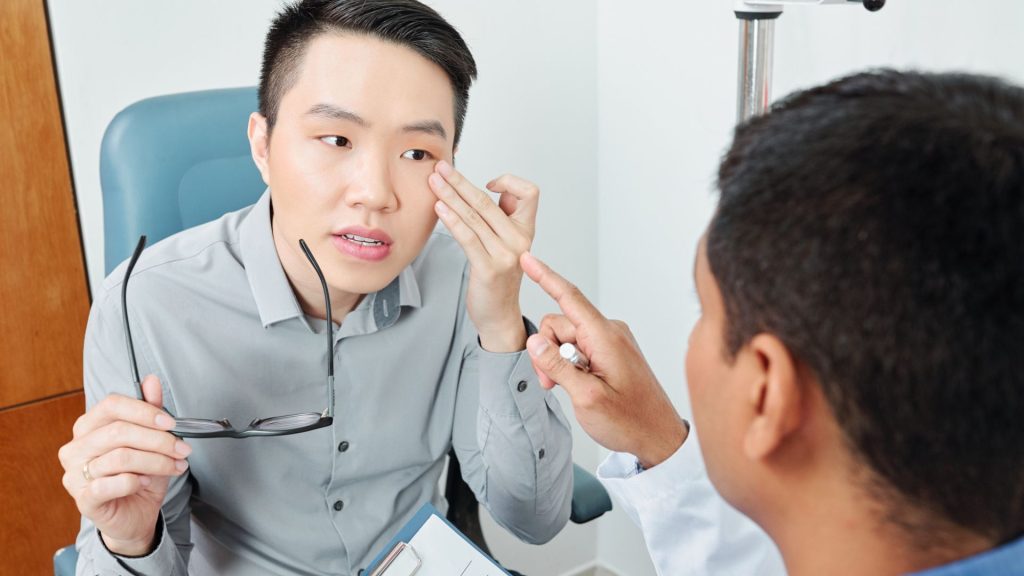
One of the most striking physical indicators of heroin addiction is the impact on your eyes. The drug’s influence on your central nervous system causes a dramatic constriction of your pupils, resulting in the notorious “pinpoint pupils” associated with heroin use. This effect, known as miosis, occurs regardless of lighting conditions, serving as a visible red flag for those around you.
Beyond the distinct appearance of your eyes, long-term heroin use takes a severe toll on your overall ocular health. The risky practices often associated with heroin addiction, such as using contaminated needles, put you at a heightened risk for eye infections and other vision-related complications.
It’s crucial to recognize that heroin eyes aren’t just a cosmetic concern, as they’re a warning sign of the severe consequences of addiction. Opting for heroin addiction treatment is the first step in protecting your ocular health and overall well-being.
Characteristics of Heroin Eyes
Pupil constriction, also known as pinpoint pupils, is a hallmark of heroin use. The drug’s significant impact on your brain’s control over pupil size results in notably small pupils, regardless of lighting conditions.
You may also exhibit a heavy-lidded appearance, reflecting the sedation and drowsiness caused by heroin’s depressant properties. Bloodshot eyes are common, as the drug dilates your blood vessels and potentially reduces oxygen flow, especially if you smoke heroin.
Dark circles and puffiness around your eyes can indicate the sleep disturbances and general fatigue associated with heroin use. These visible signs serve as indicators of your opioid addiction, signaling the potential health risks to those around you.
While the appearance of heroin eyes is a strong suggestion of drug use, it’s important to note that normal pupil size doesn’t necessarily imply sobriety, as the long-term effects of heroin may linger even after discontinuing use.
Read more about the process of heroin withdrawal and how it affects your physical and behavioral state.
What Causes Heroin Eyes?
Heroin use directly impacts the brain, leading to a noticeable constriction of the pupils, a condition known as miosis. This physical sign is one of the most common indicators of opioid abuse and is frequently accompanied by drooping eyelids due to the sedative properties of the drug.
The effects of heroin extend beyond just the eyes. It also disrupts sleep patterns, leaving users feeling fatigued and causing dark circles and puffiness around the eyes. Additionally, poor nutrition and neglect of personal hygiene often follow heroin use, further contributing to an unhealthy appearance.
Heroin’s interaction with the vascular system can also cause bloodshot eyes, especially if the drug is smoked. These physical changes are a visible reminder of the damage heroin does to the body, with the eyes serving as a clear reflection of the devastating consequences of addiction. As the eyes bear the brunt of these effects, they provide an alarming insight into the toll heroin takes on overall health.

Health Risks of Heroin Eyes
Heroin use dramatically increases your risk of eye infections, with hospitalizations for rare ocular infections skyrocketing by 400% from 2003 to 2016. These infections can cause vision impairment and may require medical intervention, potentially leading to severe outcomes like eye removal.
As you continue using heroin, the physiological effects on your body can also lead to neglect of personal hygiene and nutrition, further exacerbating the health of your eyes.
Find out what factors contribute to heroin’s detectability in your system and how long it takes to detox.
Treatment Options
Treatment options, such as Medication-Assisted Treatment (MAT) programs, utilize medications like buprenorphine and methadone to alleviate withdrawal symptoms and cravings, supporting your recovery efforts.
However, access to treatment for heroin addiction can be challenging, especially in rural areas where healthcare resources may be limited. This has led to the need for innovative solutions, such as telemedicine options that provide remote access to treatment and support, increasing accessibility for those in need.
Alongside MAT, ongoing therapy and support systems are essential for long-term recovery from heroin addiction. These resources enable you to address underlying issues and prevent relapse, empowering you to rebuild your life.
Final Thoughts from New Chapter Recovery
At New Chapter Recovery, we provide personalized and compassionate treatment designed to meet each individual’s unique needs. Our mission is to support clients in overcoming addiction and rebuilding their lives. Through our outpatient programs, we address both the physical and emotional aspects of recovery, ensuring every person receives the thorough care they deserve.
Frequently Asked Questions
Are there other drugs that cause similar eye changes as heroin?
Yes, other opioids such as morphine and prescription painkillers can cause similar eye changes, including constricted pupils and droopy eyelids. Certain sedatives, benzodiazepines, and alcohol can also affect eye appearance in a similar way due to their sedative effects.
Do heroin eyes affect vision or just the appearance of the eyes?
Heroin eyes primarily affect the appearance of the eyes, causing pupil constriction and droopy eyelids. However, these changes don’t typically impair vision, although long-term heroin use can contribute to other health problems that may affect eyesight.
Can heroin eyes go away once you stop using heroin?
Yes, in many cases, the physical signs of heroin eyes, such as constricted pupils and drooping eyelids, can improve once you stop using heroin. However, recovery time can vary depending on the severity of the addiction and overall health.
How quickly can heroin affect the eyes after use?
Heroin can begin affecting the eyes within minutes after use, with the most noticeable changes being pupil constriction and eyelid drooping. These effects occur quickly due to heroin’s fast action on the central nervous system.

As CEO and Clinical Director of New Chapter Recovery, Ann Gharib is a Licensed Professional Counselor (LPC) and Licensed Clinical Alcohol and Drug Counselor (LCADC) who specializes in dual-diagnosis treatment and family therapy. As Ann combines her several years of expertise and spirituality to provide compassionate, Christian addiction counseling. Ann has experience treating drug use, alcohol use, and mental health disorders in many different levels of care.