Detoxing from drugs or alcohol can be challenging, but at New Chapter Recovery, we provide a safe and supportive detox program to help individuals navigate this critical step in recovery. Our team offers medical supervision to manage withdrawal symptoms and ensure a comfortable experience, with continued support available through Outpatient drug and alcohol Rehab in Parsippany, NJ.
Whether you’re seeking treatment for the first time or transitioning from inpatient care, we create customized detox plans to fit your specific needs. Our goal is to help you safely detox while preparing you for long-term recovery.
If you or a loved one needs support, our confidential helpline is here to guide you toward a healthier future.

Substance detox is the process of eliminating drugs or alcohol from the body while managing withdrawal symptoms. It is the first step in recovery, helping individuals safely clear their system under medical supervision. Detox reduces health risks and prepares individuals for further treatment.
Without professional support, withdrawal can be dangerous and difficult to manage. A medically supervised detox program ensures safety, comfort, and proper care throughout the process.
At New Chapter Recovery, we offer personalized detox programs to help individuals start their recovery journey with confidence. Our compassionate team provides the medical and emotional support needed for lasting healing.
Why Detox is Important For Addiction Treatment
Medical detox is an essential first step in overcoming addiction, allowing individuals to withdraw safely under professional supervision. This process helps manage withdrawal symptoms and prepares individuals for long-term recovery.
Key benefits of medical detox:
- Supervised withdrawal to ensure safety and comfort
- Medication management to ease withdrawal symptoms
- 24/7 medical support to handle complications
- Emotional and psychological care during detox
- Personalized treatment plans for individual needs
At New Chapter Recovery, our medical detox program provides the support needed for a stable and successful start to recovery.

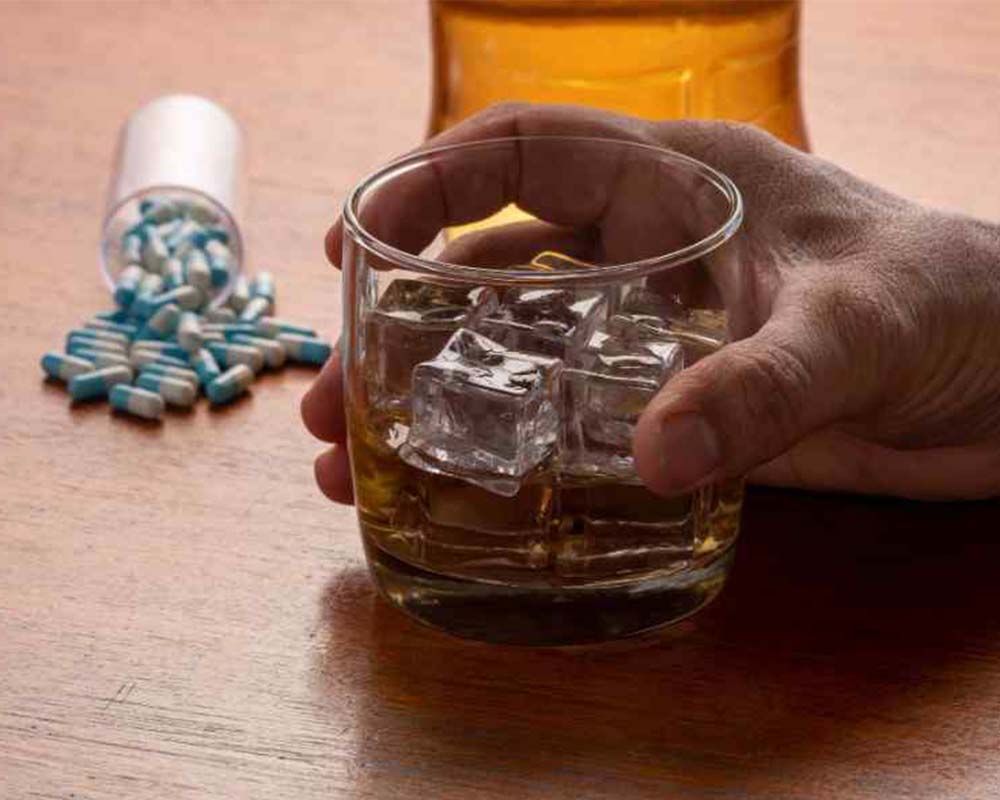
Substances That Require Medical Detox
Some substances create strong physical dependencies, making medical detox a crucial first step in recovery.
Substances that often require detox:
- Alcohol
- Opioids (Heroin, Fentanyl)
- Benzodiazepines (Xanax, Valium, Ativan)
- Stimulants (Cocaine, Adderall, MDMA)
- Prescription Medications
Our addiction recovery programs in New Jersey equip every client with personalized resources and guidance, helping them overcome addiction through methods that connect with their individual beliefs and way of life.
Our Residential Detox Program
Our Residential Detox Program provides a personalized and supportive environment for individuals beginning their recovery from substance use disorders. Tailored to each client’s unique needs, the program considers factors such as substance type, duration of use, and co-occurring health conditions.
Clients receive comprehensive care and medical supervision, including medication-assisted treatment (MAT) to manage withdrawal symptoms and reduce cravings, ensuring a safer detoxification process.
With 24/7 access to medical professionals, clients are closely monitored, which is crucial for those detoxing from substances with severe withdrawal symptoms.
The program also offers therapeutic support, including individual and group therapy, to address the psychological aspects of addiction. This holistic approach lays a strong foundation for clients to transition into further stages of treatment at our facility and achieve long-term recovery.

Some Of Our Addiction Treatment Reviews of Success
New Chapter Recovery Will Take You From Hurting To Healing In Four Simple Steps

Phone Consultation

Insurance Verification

Program
Intake

Relapse Management

Why Choose New Chapter Recovery?
Our staff are fully and dually licensed for substance use in our iop programs and more.
At New Chapter Recovery we are dedicated to treating everyone who walks in our doors like family.
Intensive treatment at our treatment center helps our clients in their continuum of care when leaving residential treatment, or if they are not at the level of substance use needing inpatient services at a residential treatment center.

As CEO and Clinical Director of New Chapter Recovery, Ann Gharib is a Licensed Professional Counselor (LPC) and Licensed Clinical Alcohol and Drug Counselor (LCADC) who specializes in dual-diagnosis treatment and family therapy. As Ann combines her several years of expertise and spirituality to provide compassionate, Christian addiction counseling. Ann has experience treating drug use, alcohol use, and mental health disorders in many different levels of care.