Meditation in recovery has become an increasingly valuable tool for individuals working to maintain long-term sobriety. Recovery involves much more than stopping drug or alcohol use. It requires developing new ways to manage stress, regulate emotions, cope with cravings, and navigate life’s challenges without turning to substances. Meditation helps strengthen these skills by teaching individuals how to become more aware of their thoughts, emotions, and behaviors.
Many people enter recovery feeling overwhelmed by anxiety, stress, guilt, cravings, or emotional discomfort. Without healthy coping strategies, these experiences can increase the risk of relapse. Meditation offers a practical and accessible way to manage these challenges while supporting overall mental and emotional wellness. Research published by the National Institutes of Health has found that mindfulness-based interventions can reduce substance use, lower relapse rates, and improve emotional regulation among individuals recovering from substance use disorders.
At New Chapter Recovery in Parsippany-Troy Hills, New Jersey, we recognize the value of holistic approaches that complement evidence-based addiction treatment. Meditation and mindfulness practices can help individuals build resilience, strengthen recovery skills, and create a healthier foundation for long-term sobriety.
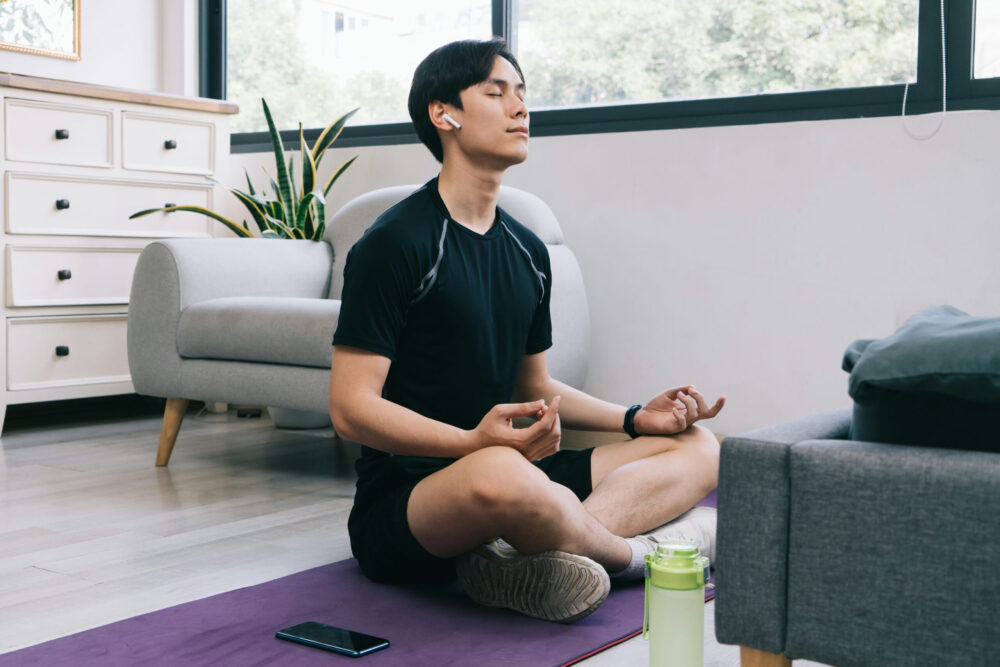
Meditation is the practice of intentionally focusing attention and developing awareness of the present moment. While meditation has roots in spiritual traditions, it is now widely used in healthcare settings because of its proven mental health benefits.
In addiction recovery, meditation helps individuals develop greater awareness of thoughts, emotions, and triggers. Rather than reacting automatically to cravings, stress, or difficult feelings, people learn to pause and make intentional choices. This shift is one of the most important skills a person can develop during recovery.
Substance use often becomes an automatic response to discomfort. Over time, individuals may rely on drugs or alcohol whenever they experience stress, sadness, anxiety, boredom, or frustration. Meditation helps interrupt these automatic patterns by creating space between an emotional trigger and a behavioral response.
Research on Mindfulness-Based Relapse Prevention (MBRP) has shown that mindfulness practices can reduce cravings, improve coping skills, and decrease relapse rates. These benefits make meditation a valuable addition to a comprehensive recovery plan.
While meditation is not a replacement for professional treatment, it can strengthen the skills learned in therapy and support long-term recovery success.
How Meditation Supports Emotional and Mental Health
Many people struggling with addiction also experience underlying mental health concerns. Depression, anxiety, trauma, and chronic stress frequently contribute to substance use and can continue to affect individuals after they stop using drugs or alcohol.
Meditation helps address these challenges by improving emotional regulation and increasing self-awareness. Instead of becoming overwhelmed by emotions, individuals learn to observe their feelings without immediately reacting to them.
Regular meditation can help:
- Reduce anxiety symptoms
- Improve mood stability
- Increase emotional awareness
- Enhance concentration and focus
- Improve self-esteem
- Support healthier decision-making
These benefits are especially important during recovery, when emotional challenges can feel particularly intense.
According to the Substance Abuse and Mental Health Services Administration (SAMHSA), mindfulness-based interventions can significantly benefit individuals with co-occurring mental health and substance use disorders. By calming the nervous system and reducing emotional reactivity, meditation supports overall psychological wellness.
Over time, individuals often find that they are better equipped to manage difficult situations without turning to substances for relief. These improvements can strengthen both recovery and overall quality of life.
Reducing Stress and Anxiety Through Meditation
Meditation provides a healthy way to manage stress before it becomes overwhelming.
Research from the National Center for Complementary and Integrative Health (NCCIH) shows that meditation can reduce levels of cortisol, the body’s primary stress hormone. Lower cortisol levels are associated with reduced anxiety, improved mood, and better overall emotional functioning.
When practiced consistently, meditation can help individuals:
- Feel calmer during stressful situations
- Reduce physical tension
- Improve emotional resilience
- Increase patience
- Strengthen coping abilities
Even brief meditation sessions can have a positive impact. Many people notice benefits after just five to ten minutes of focused breathing or mindfulness practice.
Because stress is unavoidable, learning healthy ways to manage it is essential for long-term sobriety. Meditation offers a practical skill that individuals can use throughout their recovery journey.
Managing Cravings and Impulsive Behaviors
Cravings are a normal part of addiction recovery. While they often become less frequent over time, they can still occur months or even years after substance use has ended.
Meditation helps individuals approach cravings differently.
Rather than viewing cravings as commands that must be acted upon, mindfulness teaches people to recognize them as temporary experiences that will eventually pass. This approach reduces the urgency and intensity often associated with cravings.
One commonly used mindfulness technique is known as urge surfing. During urge surfing, individuals observe cravings without judgment and allow them to rise and fall naturally, much like waves in the ocean.
Instead of fighting a craving or immediately giving in to it, a person simply notices:
- Physical sensations
- Thoughts associated with the craving
- Emotional reactions
- Changes in intensity over time
Research supported by the National Institute on Drug Abuse (NIDA) suggests that mindfulness-based interventions can significantly reduce impulsive responses to drug and alcohol cues.
As individuals continue practicing meditation, they often become more confident in their ability to tolerate discomfort without returning to substance use. This increased confidence can strengthen recovery and reduce relapse risk.
Meditation Techniques Commonly Used in Recovery
There is no single “right” way to meditate. Different techniques offer unique benefits, and individuals often find that certain approaches work better for them than others.
Common meditation practices used in addiction recovery include:
Mindfulness meditation focuses on observing thoughts, emotions, and physical sensations without judgment. The goal is not to eliminate thoughts but to become aware of them without becoming controlled by them.
This practice helps individuals respond more thoughtfully to cravings, triggers, and emotional challenges.
Guided meditation involves following instructions from a therapist, teacher, or recorded program. These sessions often focus on relaxation, stress reduction, healing, or recovery-specific themes.
Many beginners find guided meditation easier because it provides structure and direction.
Focused breathing techniques can quickly calm the nervous system and reduce stress.
Popular breathing exercises include:
- Deep diaphragmatic breathing
- Box breathing
- Four-seven-eight breathing
- Slow rhythmic breathing
These techniques can be practiced almost anywhere and are particularly useful during moments of heightened anxiety.
Body scan meditation involves bringing attention to different parts of the body and noticing areas of tension or discomfort.
This practice promotes relaxation and helps individuals become more aware of the connection between physical sensations and emotional experiences.
Visualization uses mental imagery to promote calmness, confidence, and motivation.
Individuals may imagine peaceful environments, successful recovery outcomes, or positive future goals. Visualization can reinforce optimism and strengthen commitment to sobriety.
Each of these meditation practices offers unique benefits and can support recovery when practiced consistently.


Practical Tips for Starting a Meditation Practice
Beginning a meditation practice does not require special training, expensive equipment, or hours of free time.
For people in recovery, simplicity is often the key to success.
Helpful strategies include:
Many people become discouraged when they try to meditate for long periods immediately.
Beginning with five minutes per day can help build consistency and confidence. As the habit develops, sessions can gradually become longer.
Practicing at the same time each day helps establish consistency.
Many people choose to meditate:
- First thing in the morning
- Before bed
- During lunch breaks
- After therapy sessions
A regular schedule helps make meditation a lasting habit.
A calm environment can make meditation easier, especially for beginners.
Choose a location with minimal distractions where you feel comfortable and safe.
Meditation apps, online videos, and audio recordings can provide structure and support.
Popular resources include:
- Insight Timer
- Calm
- Headspace
- YouTube meditation channels
These tools can help individuals develop confidence and learn new techniques.
Meditation is a skill that develops with practice.
It is normal for the mind to wander. The goal is not perfection but consistent effort and gradual improvement.
Long-Term Benefits of Meditation in Recovery
The benefits of meditation extend far beyond early sobriety.
Over time, regular practice can create lasting changes in how individuals think, feel, and respond to challenges.
Research from Harvard Medical School has shown that consistent mindfulness practice can alter brain structures involved in emotional regulation, self-awareness, and impulse control.
Long-term benefits may include:
- Reduced relapse risk
- Improved emotional stability
- Better stress management
- Increased self-awareness
- Stronger relationships
- Improved sleep quality
- Greater resilience
- Enhanced focus and concentration
- Increased overall life satisfaction
For many individuals, meditation becomes more than a recovery tool. It becomes part of a healthier lifestyle that supports ongoing growth and personal development.
When combined with therapy, peer support, and structured treatment, meditation can play a significant role in maintaining lasting sobriety.
Meditation in Recovery FAQs
Meditation helps individuals become more aware of their thoughts, emotions, and cravings. This increased awareness makes it easier to respond thoughtfully rather than impulsively, reducing relapse risk and supporting long-term sobriety.
Mindfulness meditation, guided meditation, breathing exercises, body scan meditation, and visualization are among the most commonly used and effective meditation techniques for people in recovery.
No. Meditation is a supportive recovery tool but should not replace professional addiction treatment. The most effective recovery plans typically combine therapy, medical support, peer support, and healthy coping strategies such as meditation.
Daily practice is generally recommended. Even five to ten minutes per day can provide meaningful benefits when practiced consistently over time.
Yes. Research shows that meditation can reduce symptoms of anxiety and depression while improving emotional regulation, making it beneficial for many individuals with co-occurring mental health conditions.
Yes. Family members can encourage consistency, provide a supportive environment, and even participate in mindfulness activities together, helping reinforce healthy habits and recovery goals.
Begin Your Recovery Journey at New Chapter Recovery
Recovery involves healing the mind, body, and spirit. While evidence-based therapies remain the foundation of effective addiction treatment, holistic approaches like meditation can provide additional support throughout the recovery process.
At New Chapter Recovery, in Parsippany-Troy Hills, NJ, we help adults throughout New Jersey build strong foundations for lasting sobriety through personalized outpatient treatment programs. Our approach combines evidence-based therapies, faith-based recovery support, family involvement, and holistic practices that promote long-term wellness.
Whether you are beginning treatment for the first time or looking for additional tools to strengthen your recovery, our team can help you develop a personalized plan that fits your needs. Through individual counseling, group therapy, experiential therapies, and mindfulness-based approaches, we support the whole person rather than focusing solely on substance use.
Recovery is possible, and every positive step matters. If you are ready to explore treatment options and learn how meditation can support your recovery journey, New Chapter Recovery is here to help. Contact us today.

As CEO and Clinical Director of New Chapter Recovery, Ann Gharib is a Licensed Professional Counselor (LPC) and Licensed Clinical Alcohol and Drug Counselor (LCADC) who specializes in dual-diagnosis treatment and family therapy. As Ann combines her several years of expertise and spirituality to provide compassionate, Christian addiction counseling. Ann has experience treating drug use, alcohol use, and mental health disorders in many different levels of care.