
Anxiety and addiction often go hand in hand, creating a cycle that can be difficult to break without professional help. Many adults struggle with both anxiety disorders and addiction, sometimes without realizing how closely these conditions are connected. Untreated anxiety can drive individuals to misuse drugs or alcohol as a way of managing overwhelming feelings, while addiction can make anxiety symptoms significantly worse over time.
The result is a reinforcing loop that becomes harder to escape with each passing month. New Chapter Recovery in Parsippany-Troy Hills, New Jersey, offers specialized outpatient treatment for those facing these challenges, providing flexible, evidence-based care that fits into daily life. For those seeking meaningful support without leaving work, school, or family behind, our treatment programs offer a clear and compassionate path to lasting recovery.
Anxiety and addiction rarely travel alone. For many people in recovery, the restlessness, worry, and fear that characterized their active use don’t simply disappear once substances are removed; in fact, they often become more pronounced. Research consistently shows that anxiety disorders are among the most common co-occurring conditions alongside substance use disorder, with each condition capable of fueling and intensifying the other.
Understanding this relationship isn’t just academic; it’s a foundational part of building a recovery that lasts. When people in recovery can recognize how anxiety may have driven their use, and how unmanaged anxiety can threaten their sobriety, they are better equipped to seek the right support, develop effective coping strategies, and make sense of their own experience.


The Cycle of Self-Medication in Anxiety and Addiction
Many people with anxiety disorders turn to drugs or alcohol to manage their symptoms, a pattern known as self-medication. While substances may provide temporary relief, a fleeting sense of calm, numbness, or escape, they often worsen anxiety in the long run by disrupting the brain’s natural stress-response systems.
This cycle can quickly spiral, with increased substance use leading to greater anxiety and vice versa. Without professional support and healthy coping tools, individuals may feel trapped, using substances to numb their feelings or escape daily stressors, only to find those stressors magnified in the aftermath.
How Addiction Can Intensify Anxiety Symptoms Over Time
Addiction changes the brain’s chemistry in ways that make it progressively harder to manage stress and emotions without substances. Over time, regular substance use can increase baseline anxiety, trigger panic attacks, and cause significant mood instability.
Withdrawal symptoms can also closely mimic or worsen anxiety, making the early stages of recovery feel overwhelming without proper clinical support. Addressing only one condition almost always leaves the other untreated, increasing the risk of relapse and prolonging unnecessary distress.

Signs and Symptoms of Anxiety and Addiction
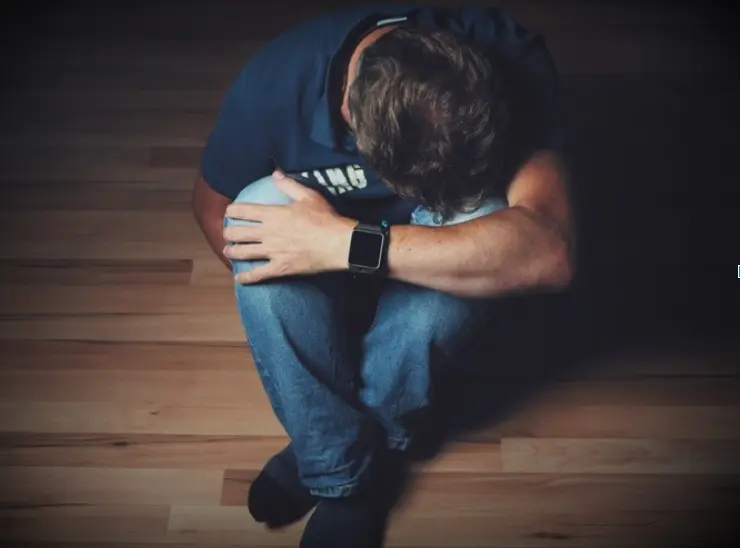
Recognizing the signs and symptoms of anxiety and addiction, both separately and as they overlap, is a critical step in understanding what you’ve been living with. Many people in recovery look back and realize that what they once dismissed as nervousness, restlessness, or simply “the way they were wired” were, in fact, hallmark symptoms of an anxiety disorder. At the same time, prolonged substance use can mimic, mask, or worsen anxiety symptoms, making it difficult to distinguish where one condition ends and the other begins.
When both are present, warning signs may include using substances specifically to cope with anxiety or panic, experiencing heightened anxiety during periods of sobriety or withdrawal, difficulty managing ordinary daily stress without substances, and mood swings or sudden behavioral changes that seem disconnected from external circumstances. Knowing what to look for creates clarity, and clarity is the foundation of informed, effective recovery.
Anxiety disorders can cause a wide range of physical and emotional symptoms, including rapid heartbeat or chest pain, shortness of breath, persistent restlessness, trouble sleeping, and pervasive worry or fear that is difficult to control. These symptoms can be mild or severe, and they frequently interfere with work, school, and personal relationships in ways that compound over time.
Signs of substance use disorder may include using drugs or alcohol more often or in larger amounts than intended, neglecting responsibilities at home or work, withdrawing from friends and family, engaging in risky behaviors, and hiding or lying about substance use. Behavioral changes are often the earliest visible signs that someone is struggling, and they frequently appear well before a person acknowledges a problem to themselves or others.
Causes and Risk Factors for Anxiety and Addiction
Anxiety and addiction do not develop in a vacuum. Both conditions arise from a complex interplay of biological, psychological, and environmental factors, and many of those factors overlap, which helps explain why the two so frequently occur together. Genetics can establish an underlying vulnerability, early life experiences can shape how the brain responds to stress and threat, and environmental pressures can push that vulnerability toward a diagnosable condition.
For people in recovery, understanding the root causes and risk factors behind both anxiety and addiction can reduce self-blame, illuminate patterns in their personal history, and point toward the areas of life most important to address in long-term healing.
Both anxiety disorders and substance use disorders have well-documented genetic components. Individuals with a family history of mental health or addiction issues are at significantly higher risk. Brain chemistry plays a central role as well, with imbalances in neurotransmitters affecting mood, stress response, and impulse control in ways that increase vulnerability to both conditions.
Trauma, such as abuse, neglect, or loss, is a major risk factor for both anxiety and addiction. Adverse childhood experiences can alter how the brain responds to stress, increasing the likelihood of self-medicating with substances later in life. Ongoing stress from work, finances, or relationships can similarly trigger both anxiety and substance use, making stress management a key component of lasting recovery.
A family history of anxiety, depression, or addiction increases risk through a combination of genetics, learned coping behaviors, and shared environments. Understanding these factors can help individuals and families seek support proactively, before either condition becomes entrenched.

Why Dual Diagnosis Treatment is Essential
Treating addiction without addressing anxiety, or anxiety without addressing addiction, is like treating only half of the problem. When both conditions are present, they are deeply intertwined, each capable of triggering and sustaining the other. Dual diagnosis treatment, which addresses co-occurring mental health and substance use disorders simultaneously, has become the clinical standard of care for this reason. Without it, untreated anxiety remains one of the most significant risk factors for relapse, and the cycle that drove the addiction in the first place is left intact.
Integrated care combines mental health and addiction treatment into a unified approach, offering personalized treatment plans, evidence-based therapies for both conditions, medication management when clinically appropriate, and meaningful support for families. Studies consistently show that individuals receiving integrated care achieve better outcomes, including higher rates of sustained sobriety and measurable improvement in overall mental health.
Evidence-Based Therapies
Effective treatment for co-occurring anxiety and addiction is not a matter of guesswork. Evidence-based therapies have been rigorously studied and validated through clinical trials, providing concrete tools for restructuring thought patterns, building distress tolerance, and addressing the underlying mechanisms that connect anxiety to substance use.
Cognitive behavioral therapy (CBT) helps clients identify and challenge negative thought patterns, develop healthier coping skills, and manage triggers before they lead to substance use. Dialectical behavior therapy (DBT) combines cognitive and mindfulness-based techniques to help clients regulate emotions and tolerate distress without acting on it, particularly useful for those with intense anxiety or strong urges to use.
Trauma-informed therapy creates a safe environment where clients can process difficult experiences without judgment, while medication management helps stabilize anxiety symptoms or support sobriety during vulnerable periods of early recovery. Group therapy and peer support round out the program, offering connection and shared understanding throughout the recovery journey.

Anxiety and Addiction Treatment at New Chapter Recovery
At New Chapter Recovery in Parsippany-Troy Hills, NJ, we understand that no two paths to addiction look the same, and neither do two paths to healing. For clients managing both anxiety and addiction, we provide integrated, dual diagnosis care that treats the whole person rather than isolated symptoms. Our clinical team is trained to identify the ways anxiety and substance use interact in each individual’s history, and to build treatment plans that address both conditions with the same level of attention and expertise.
Our continuum of care includes medical detox referrals for those who need a safe, supervised start to recovery; a partial hospitalization program (PHP) offering structured, intensive daily treatment while clients return home each evening; an intensive outpatient program (IOP) with flexible scheduling focused on relapse prevention and emotional regulation; and outpatient treatment and aftercare planning that supports the transition to independent living with ongoing therapy, group sessions, and family involvement.
Building Healthy Coping Strategies and Family Support
Recovery is reinforced daily through the habits, relationships, and coping strategies that fill ordinary life. Learning to manage anxiety without turning to substances requires developing a practical toolkit of healthy responses to stress and emotional pain. Techniques such as deep breathing, meditation, and mindfulness can significantly reduce anxiety over time, while emotional regulation skills help clients cope with frustration and cravings without relying on substances.
A strong support network, including family, peers in recovery, and professional counselors, is one of the most consistent predictors of long-term success. Family involvement can make a profound difference in recovery outcomes, and New Chapter Recovery offers family therapy and educational workshops to help loved ones establish healthy boundaries, communicate effectively, and become informed partners in the healing process.


Why Choose New Chapter Recovery?
Choosing where to pursue treatment for co-occurring anxiety and addiction is one of the most important decisions a person in recovery can make. New Chapter Recovery was built with the complexity of dual diagnosis in mind. Our licensed therapists, medical professionals, and addiction specialists develop personalized recovery plans tailored to each client’s unique history and goals.
Flexible scheduling and outpatient options make it possible to maintain work, school, and family responsibilities while receiving high-quality, clinically rigorous care, setting us apart as a trusted resource for adults in Parsippany and throughout New Jersey.
Take the First Step Today
It’s time to seek help when anxiety or substance use interferes with daily life, causes physical health problems, leads to risky behaviors, or simply feels impossible to manage alone. Early intervention consistently leads to better outcomes.
If you or a loved one is struggling with anxiety and addiction in Parsippany, New Jersey, help is available. New Chapter Recovery offers compassionate, evidence-based treatment designed to fit your life and support your goals. Don’t wait, reach out today to start your journey toward lasting recovery.