
Anxiety is more than feeling nervous before a big event. For many adults in New Jersey and across the country, anxiety can become a self-perpetuating cycle that disrupts daily life, relationships, and even physical health. The cycle of anxiety describes how anxious thoughts trigger physical symptoms, which then reinforce fearful thinking and avoidance behaviors, creating a repeating loop that feels difficult to escape. Understanding this cycle is the first step toward breaking free and reclaiming control.
At New Chapter Recovery in Parsippany-Troy Hills, New Jersey, individuals struggling with anxiety and substance use can find compassionate, evidence-based support while maintaining their work, school, or family responsibilities.
This article explains how the cycle of anxiety works, why it feels automatic, and the steps that can help interrupt it. For those seeking flexible outpatient care in New Jersey, New Chapter Recovery offers programs designed to fit real life.
What Is Anxiety and How Does It Start?
Anxiety is a natural response to stress or perceived danger. It helps people stay alert and focused in challenging situations. However, when anxiety becomes frequent, intense, or out of proportion to the situation, it can interfere with daily life. The cycle of anxiety often begins with a trigger, an internal thought or external event that sets off a chain reaction of worry, physical symptoms, and avoidance.
For some individuals, anxiety builds gradually as stressors accumulate; for others, it may stem from a specific event or trauma. Genetics, brain chemistry, and life experiences all influence how anxiety develops.
Difference Between Normal Stress and Anxiety Disorders
Everyone experiences stress, but anxiety disorders are different. Normal stress is usually temporary and tied to a specific situation, like a work deadline or family conflict. Anxiety disorders, on the other hand, involve persistent, excessive worry that doesn’t go away even when the stressor is gone.
Anxiety disorders can lead to avoidance of situations, sleep problems, and physical symptoms like headaches, digestive issues, or muscle tension. According to the National Institute of Mental Health, over 40 million adults in the U.S., roughly 20%, experience some type of anxiety disorder, making it one of the most common mental health conditions.
When Does the Cycle of Anxiety Become a Problem?
The cycle of anxiety becomes a problem when it begins interfering with daily functioning. This might include avoiding work, school, or social events, or turning to substances to cope. Over time, the cycle becomes more entrenched, making it harder to break without support.
Recognizing when anxiety has moved beyond normal stress is key. If anxiety is causing significant distress, disrupting relationships, or leading to unhealthy coping behaviors, it may be time to seek professional help.
Types of Anxiety Disorders Within the Cycle
GAD involves chronic, excessive worry about everyday matters. People with GAD often struggle to control their anxiety, even when they know their fears may not be realistic. The cycle of anxiety in GAD is fueled by constant “what if” thinking, physical tension, and avoidance, making it hard to focus at work or enjoy family time.
Panic disorder is characterized by sudden, intense episodes of fear called panic attacks, which may involve rapid heartbeat, shortness of breath, or a sense of impending doom. Anticipating future attacks often leads to avoidance of certain places or situations.
Social anxiety disorder involves intense fear of judgment or embarrassment in social settings. The anxiety cycle here includes anticipating events with dread, experiencing physical symptoms during interactions, and avoiding similar situations in the future.
Specific phobias are intense fears of certain objects or situations, such as flying or heights. Exposure or even thoughts of the feared object trigger anxiety, leading to avoidance and heightened sensitivity over time.
Obsessive-Compulsive Disorder (OCD) involves unwanted, intrusive thoughts (obsessions) and repetitive behaviors (compulsions) aimed at reducing anxiety. The temporary relief from compulsions reinforces the cycle.
PTSD develops after a traumatic event. Triggers can cause flashbacks, nightmares, and intense anxiety. Avoiding people, places, or activities associated with the trauma reinforces the cycle, and substance use may become a coping mechanism.
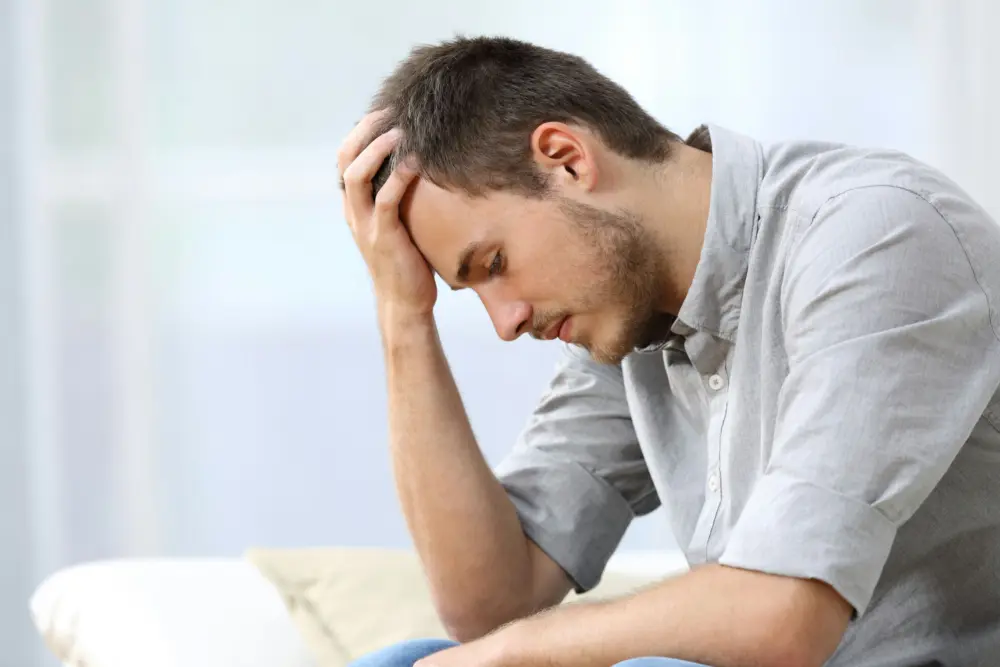
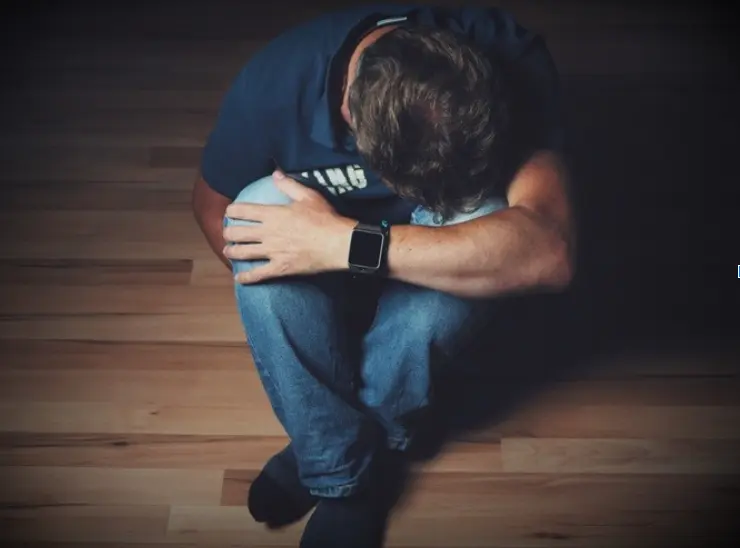
How the Cycle of Anxiety Impacts the Brain and Body
The amygdala detects threats and triggers the body’s stress response. In chronic anxiety, one can overreact to minor stressors, keeping the body on high alert and making relaxation difficult.
When the brain perceives danger, cortisol and adrenaline prepare the body to act quickly. Chronic anxiety keeps the nervous system activated, causing rapid heartbeat, sweating, and muscle tension. Over time, this can lead to fatigue, headaches, and other health issues.
Common physical symptoms in the cycle of anxiety include:
- Rapid heartbeat or palpitations
- Shortness of breath
- Sweating or chills
- Muscle tension or trembling
- Nausea, dizziness, or stomach upset
These symptoms reinforce anxious thoughts, making the cycle harder to break.
Chronic anxiety can disrupt sleep, weaken the immune system, and increase the risk. Untreated anxiety may also lead to substance use as a coping mechanism, emotional burnout, social withdrawal, and difficulty functioning.
What Is the Cycle of Anxiety?
The cycle of anxiety is a repeating loop of anxious thoughts, physical symptoms, and avoidance behaviors. Key features include:
- Triggers: Internal or external cues that spark anxiety
- Physical Symptoms: Bodily responses that confirm fears
- Avoidance/Safety Behaviors: Actions that relieve anxiety temporarily but worsen it long-term
The Four Stages of the Cycle
- Trigger: Thought, memory, or situation sparks anxiety
- Anxious Thoughts: Catastrophic thinking takes over
- Physical Symptoms: Rapid heartbeat, sweating, or tension
- Avoidance/Relief Behaviors: Short-term relief strengthens the cycle
How the Cycle Reinforces Itself
Anxiety often strengthens itself through fear, avoidance, and temporary relief. Avoiding triggers prevents learning that situations are usually safe, reinforcing anxious thinking. Over time, this conditioning makes the brain expect danger, making anxiety more frequent and intense.
Short-Term Relief vs. Long-Term Worsening
Avoidance provides temporary comfort but strengthens anxiety in the long run. The brain rewards avoidance by reducing immediate distress, making fears harder to face later.
Brain Conditioning and Learned Fear
The brain learns to associate certain situations with anxiety, creating a conditioned response. Gradual exposure is needed to break these associations and form healthier responses.
Breaking the Cycle of Anxiety
- Identify and challenge unhelpful thoughts
- Reframe anxious thinking to be more realistic
- Reduce catastrophizing and all-or-nothing thinking
- Gradual exposure to feared situations
- Create a hierarchy of fears, starting with manageable tasks
- Build confidence and retrain the brain to respond differently
- Observe thoughts and feelings without judgment
- Practice deep breathing, grounding exercises, and muscle relaxation
- Reduce nervous system activation and manage symptoms in real time

When to Seek Professional Help
Professional support is important if:
- Anxiety is frequent or severe
- Panic attacks occur regularly
- Avoidance interferes with daily life
- Depression or substance use co-occurs
Outpatient programs at New Chapter Recovery provide flexible, confidential care that fits work, school, and family life.
Anxiety Treatment at New Chapter Recovery
New Chapter Recovery helps individuals understand and manage anxiety while building healthier coping skills. Programs include:
- Individual therapy and group therapy
- Evidence-based therapies such as CBT, exposure therapy, and mindfulness
- Holistic approaches addressing physical well-being
Integrated care supports clients with co-occurring anxiety and substance use, helping them manage both conditions and reduce reliance on unhealthy coping mechanisms.
Outpatient Programs and Flexible Care
Outpatient programs allow clients to maintain work, school, or family commitments while receiving structured support. Flexible scheduling, group sessions, and telehealth options provide privacy and convenience. Family involvement and 12-step principles support long-term recovery.

Cycle of Anxiety FAQs
Persistent worry, physical symptoms like rapid heartbeat, avoidance of triggers, and constant reassurance-seeking.
Seek help if anxiety disrupts daily life, triggers panic attacks, or leads to substance use.
Yes, untreated anxiety may increase the risk of alcohol or drug use. Integrated treatment is recommended.
CBT, exposure therapy, mindfulness, and in some cases, medication.
Yes. With proper treatment, many people significantly reduce or eliminate anxiety symptoms.
Begin Anxiety Treatment at New Chapter Recovery
Starting treatment at New Chapter Recovery is the first step toward managing anxiety in a safe, supportive environment. Licensed professionals create personalized plans using CBT, mindfulness, and holistic approaches. Integrated care addresses both anxiety and substance use, building resilience and promoting long-term stability. Recovery is possible, and support is available every step of the way. Contact us to get started.