Millions of people turn to alcohol when anxiety becomes overwhelming, hoping for relief from racing thoughts and constant worry. While drinking might seem to quiet the mind temporarily, it creates a complicated cycle between short-term calm and long-term consequences that can actually intensify the very feelings you’re trying to escape. In this article, we’ll explore how alcohol affects your brain and mood, why the temporary calm gives way to heightened anxiety, what happens when drinking habits cross into more serious territory, and how alcohol addiction treatment can help.
Quick Takeaways
- Alcohol temporarily relieves anxiety, but makes it worse long-term. It also rewires your brain to produce less natural calm and anxiety when sober.
- Withdrawal makes anxiety worse for a period as your brain rebalances, which is normal and temporary.
- People with alcohol use disorder are two to three times more likely to experience depression than the general population.
- About half of alcohol dependence risk comes from genetics, while trauma and chronic stress significantly increase vulnerability.
- The most effective treatment approaches tackle alcohol use disorder and anxiety simultaneously through therapy, medication, and support groups.
The Science Behind How Alcohol Affects Anxiety and the Brain
Your brain is an incredibly sophisticated communication network, and alcohol is remarkably good at disrupting it. When you drink alcohol, it floods multiple neurotransmitter pathways simultaneously, creating effects that ripple through your entire nervous system.
Why Alcohol Initially Calms Your Nerves
The moment alcohol enters your bloodstream, it enhances GABA (gamma-aminobutyric acid), your brain’s primary inhibitory neurotransmitter. Think of GABA as your brain’s natural calm-down signal. When alcohol boosts this system, everything slows down. Your heart rate decreases, your muscles relax, and anxious thoughts that usually race suddenly crawl at a manageable pace. This is why you feel relaxed and often feel sleepy after drinking.
Simultaneously, alcohol suppresses glutamate, an excitatory neurotransmitter that keeps your brain alert. But here’s the catch: your brain alcohol interaction only creates temporary changes. The calm you experience isn’t resolving your anxiety; it’s masking it. It’s much like turning down the volume on a smoke alarm instead of addressing the fire.
How Regular Drinking Rewires Your Brain
When you regularly drink alcohol, your brain begins adapting to counteract alcohol’s depressant effects. Your brain starts producing less GABA and more glutamate naturally. This means you need increasingly more alcohol to achieve that same feeling of calm.
| Brain Change | What Happens | Impact on Anxiety |
| GABA Reduction | Your brain produces less of its natural calming neurotransmitter | Increased baseline anxiety and nervous system hyperactivity when sober |
| Glutamate Increase | Stimulating neurotransmitters ramp up to counteract alcohol’s effects | Heightened state of mental alertness and worry without alcohol |
| Serotonin Disruption | Mood-regulating chemical production becomes irregular | Emotional flatness, irritability, and worsening depressive symptoms |
| Dopamine Depletion | Reward and pleasure chemical pathways weaken over time | Loss of enjoyment in activities, increased reliance on alcohol for positive feelings |
These neurological changes can persist for months after you stop drinking. Your brain needs time to relearn how to produce the right balance of neurotransmitters without alcohol’s interference.
Alcohol Use Disorder and Its Connection to Anxiety Disorders
The line between occasional stress drinking and alcohol dependence can be surprisingly thin. Alcohol use disorder exists on a spectrum, ranging from mild patterns that interfere occasionally with daily life to severe alcoholism that dominates every aspect of existence.
Recognizing Problem Drinking Patterns
According to the National Institute on Alcohol Abuse and Alcoholism, approximately 14.5 million Americans aged 12 and older had alcohol use disorder in 2019. This medical diagnosis involves drinking more than intended, unsuccessful attempts to cut back, or continuing to drink despite negative consequences in relationships, work, or health.
Problem drinkers don’t always fit the stereotype. You might be a successful professional who only drinks on weekends but can’t stop once you start. The development from social drinking to substance use disorder typically happens gradually, with drinking habits shifting so slowly that you don’t notice the progression.
Does Anxiety Lead to Drinking or Vice Versa?
The answer is genuinely complex: both pathways exist, and they often reinforce each other. People drink for many reasons, but anxiety management ranks among the most common motivations. Having an anxiety disorder increases your risk of developing alcohol problems. When you discover that alcohol provides instant relief from persistent worry or panic attacks, it’s incredibly difficult not to reach for that solution repeatedly.
However, regular alcohol consumption can also cause or significantly worsen anxiety symptoms. The cycle often begins innocently. You drink, experience relief, and your brain learns to associate alcohol with feeling better. Over time, you drink more frequently to achieve the same effect.
As your brain chemistry adjusts to regular alcohol intake, your baseline anxiety actually increases. Now you’re more anxious when sober than before you started drinking. This heightened anxiety drives more drinking, creating even more anxiety. Before long, you’re caught in a self-perpetuating loop where alcohol has become both the problem and your primary solution.
Understanding Withdrawal Symptoms
When you’ve been drinking regularly and suddenly stop, your brain finds itself in a state of chemical confusion. Without alcohol’s depressant effects, you’re left with an overactive nervous system stuck in high gear. Symptoms typically begin within 6-24 hours and include trembling hands, sweating, nausea, rapid heartbeat, headaches, and, in severe cases, seizures or delirium tremens.
The psychological symptoms often prove even more distressing. Severe anxiety, panic attacks, irritability, and depression commonly emerge within the first few days. Your brain essentially overreacts to everything because it hasn’t yet learned to regulate itself without alcohol’s interference.
Why Anxiety Temporarily Worsens When You Quit
Here’s a truth that surprises many people: your anxiety will likely get worse before it gets better when you stop drinking. This isn’t a sign that sobriety isn’t working. It’s actually evidence that your brain is beginning the healing process. Most people find that their anxiety begins improving after a prolonged period of complete abstinence.
Alcohol and Mental Health: Beyond Anxiety to Depression
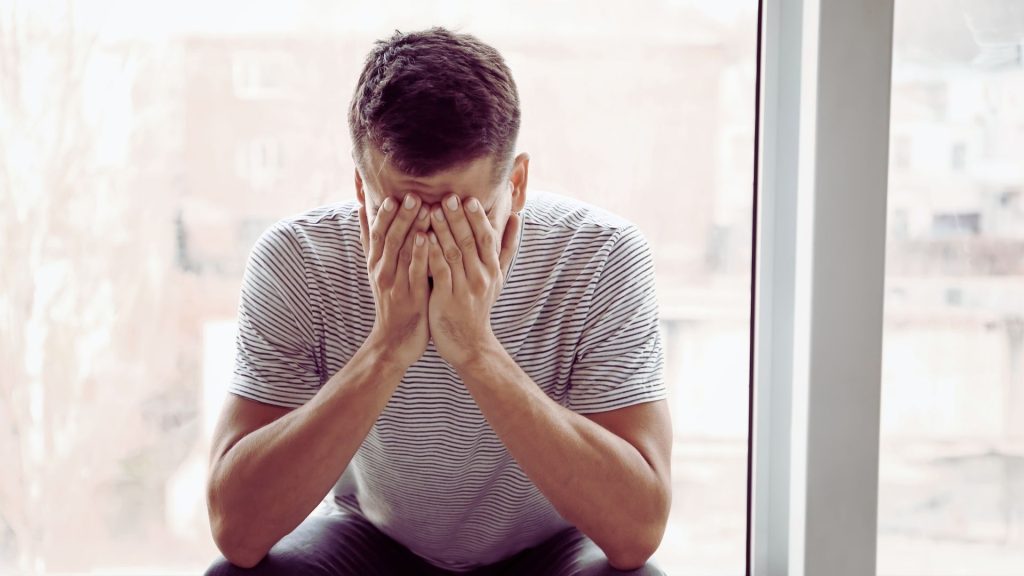
While anxiety often takes center stage in discussions about alcohol and mental health, the impact extends far beyond worry and panic. Depression and anxiety frequently travel together, creating a particularly challenging combination. People with alcohol use disorder are two to three times more likely to experience depressive disorders than the general population.
Alcohol’s impact on serotonin and dopamine helps explain why heavy drinking so often leads to depression. These neurotransmitters are crucial for experiencing pleasure, motivation, and emotional stability. Chronic alcohol consumption disrupts their function, leaving you feeling emotionally flat and making depression worse over time. What’s particularly insidious is that drinking temporarily boosts dopamine, making alcohol feel like an antidote to depression when it’s actually a major contributor.
Risk Factors and Consequences
Certain factors significantly increase your vulnerability to developing problems with both alcohol and anxiety. Recognizing patterns early can help you make informed decisions and seek support before drinking habits become deeply entrenched.
Who Faces Higher Risk
- Family history: If you have close family members with alcohol use disorder or anxiety disorder, your risk increases substantially. Research suggests genetics accounts for roughly 50-60% of the risk.
- Pre-existing mental health conditions: Living with an anxiety disorder or depression significantly increases the likelihood of developing alcohol problems.
- Women and hormonal factors: Women metabolize alcohol differently, experiencing higher blood alcohol concentrations from the same amount of drinking.
- Young people: Adolescents and young adults with still-developing brains are particularly susceptible to alcohol’s neurotoxic effects.
- Environmental stressors: Trauma, chronic stress, and lack of social support increase vulnerability to both anxiety and alcohol use disorder.
Having one or more of these risk factors doesn’t mean you’re destined to develop alcohol problems. It simply suggests paying closer attention to your relationship with drinking and being proactive about seeking help if patterns start to concern you.
Professional Treatment and Recovery Options
Recovery from the combined challenges of alcohol problems and anxiety is absolutely possible. The most effective approaches address both conditions simultaneously, recognizing that treating one without the other rarely leads to lasting change. With the right support and treatment plan, you can break free from the cycle and reclaim your mental health.
Evidence-Based Therapies
Consulting a healthcare professional represents the critical first step. Medical detoxification under supervision ensures your safety during withdrawal. After detox, several therapeutic approaches have proven highly effective:
- Cognitive Behavioral Therapy (CBT): Helps identify thought patterns and behaviors that maintain your difficulties, then develops practical skills for managing anxiety without alcohol.
- Dialectical Behavior Therapy (DBT): Offers helpful tools for managing intense emotions and tolerating distress without turning to substances.
- Medication-assisted treatment: Medications like naltrexone or acamprosate help reduce cravings and block alcohol’s rewarding effects.
Support Systems and Lifestyle Changes
Professional treatment provides the foundation, but support groups often supply the ongoing encouragement that sustains recovery. Alcoholics Anonymous remains widely available, offering free meetings where people share experiences. Alternative support groups like SMART Recovery offer evidence-based approaches without the spiritual emphasis.
Breaking free from addiction takes time and commitment to developing new habits. Building a robust toolkit of healthy coping mechanisms and alternatives to alcohol requires patience. Regular exercise shows remarkable effectiveness for managing both anxiety symptoms and cravings. Mindfulness practices, breathwork exercises, and progressive muscle relaxation offer portable tools for managing anxiety spikes.
Frequently Asked Questions About Alcohol and Anxiety
Can drinking alcohol cause anxiety?
Yes, regular or heavy drinking can cause anxiety. While alcohol temporarily reduces anxiety by boosting calming brain chemicals, chronic alcohol consumption rewires your brain to produce less natural calm and more stimulation. This leaves you feeling more anxious when sober than before you started drinking, creating a cycle where alcohol problems worsen anxiety symptoms.
Will quitting alcohol cure anxiety?
Quitting alcohol significantly improves anxiety for many people, though it’s not always a complete cure. Your anxiety will likely worsen for a period after quitting as your brain rebalances, then typically improves dramatically. However, if you had an anxiety disorder before drinking problems developed, you’ll likely still need treatment for the underlying condition.
Why do I feel depressed when I drink alcohol?
Alcohol is a depressant that disrupts serotonin and dopamine, neurotransmitters crucial for mood regulation and pleasure. While drinking temporarily boosts dopamine, creating a brief mood lift, alcohol consumption ultimately depletes these chemicals, leaving you feeling emotionally flat, hopeless, and disconnected. This effect intensifies with heavy drinking and can trigger or worsen depressive disorders.
Taking the First Step Toward Better Mental Health
The relationship between alcohol and anxiety creates a challenging paradox. The very substance that temporarily soothes anxious feelings ultimately intensifies them. Recovery from alcohol use disorder while managing anxiety disorder is genuinely possible. Your brain has a remarkable healing capacity once you give it the chance to restore balance. The anxiety that feels overwhelming in early sobriety typically improves dramatically within weeks to months.
If you’re ready to break the cycle between drinking and anxiety, we’re here to help you take that next step. At New Chapter Recovery, we offer compassionate treatment for alcohol use disorder and co-occurring mental health conditions, giving you the tools, structure, and support to rebuild your life with confidence. Reach out to our team anytime through our contact page to start your path toward recovery.