The warning signs of heart damage may develop gradually or appear suddenly, depending on the substance used and the length of use. Stimulants such as cocaine and methamphetamine commonly cause chest pain, elevated blood pressure, and irregular heart rhythms. Opioids can reduce oxygen levels in the body and increase the risk of heart valve infections, particularly with intravenous use. Heavy, long-term alcohol use is frequently linked to weakened heart muscle and cardiomyopathy.
Recognizing these symptoms early is critical. While substance-related heart damage can be serious, it is often treatable when identified in time. At New Chapter Recovery in Parsippany-Troy Hills, New Jersey, our addiction treatment programs integrate medical and clinical care to address both addiction and physical health, supporting safer, more complete healing.
How Does Substance Use Affect Your Heart Health?

Drugs and alcohol can harm the cardiovascular system in multiple ways. Some effects happen suddenly, such as blood vessel constriction, sharp spikes in blood pressure, and reduced oxygen delivery, while others develop over time. With long-term use, substances can inflame the cardiovascular system and directly damage heart muscle cells.
Short-Term Cardiovascular Effects
Many substances begin altering heart function within minutes of use. Stimulants, for example, raise heart rate and blood pressure while narrowing blood vessels, forcing the heart to work harder with less oxygen available.
- Acute Stress: A mismatch between oxygen supply and demand can injure heart tissue and increase the risk of a heart attack.
- Electrical Instability: Substances can disrupt electrolyte balance in the blood, triggering dangerous heart rhythm disturbances (arrhythmias).
Long-Term Heart Damage and Disease
Repeated substance use can lead to lasting damage to the heart muscle, valves, and electrical system. One common condition is cardiomyopathy, where the heart muscle becomes enlarged or weakened, reducing its ability to pump blood efficiently.
- Cellular Toxicity: Drugs and alcohol can trigger oxidative stress and cell death within heart tissue.
- Structural Changes: Heart chambers may stretch, or the walls may thicken, both of which impair normal function and increase the risk of heart failure.
In overdose-related cardiac arrests, approximately 95% involve nonshockable rhythms, a sign of severe oxygen deprivation and widespread systemic collapse.
Understanding these risks highlights why early intervention and integrated medical care are critical for protecting both heart health and long-term recovery.
The Signs of Heart Damage From Drugs
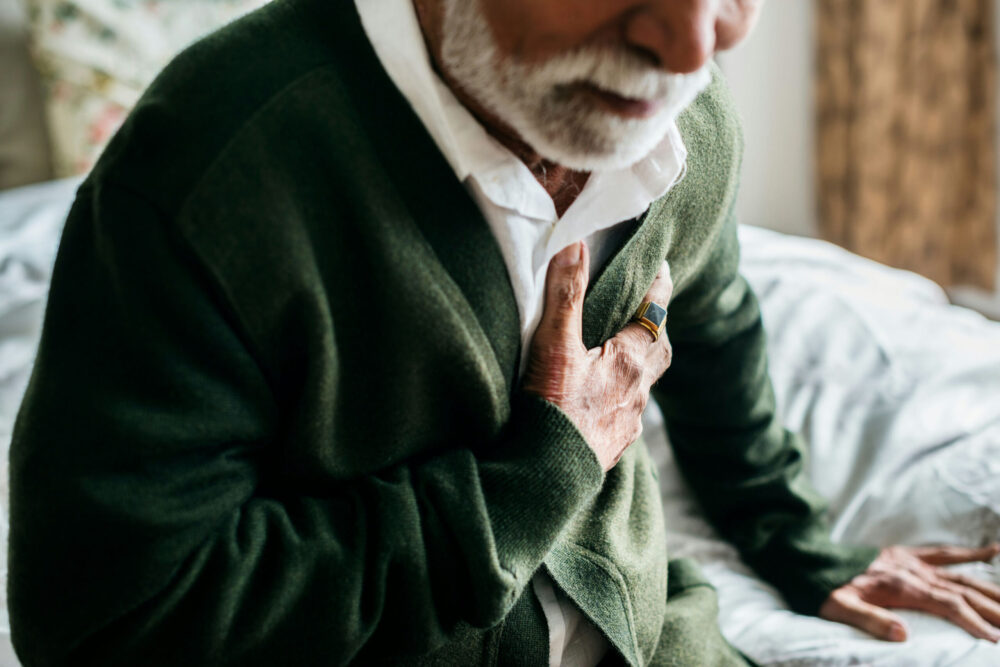
Heart damage from substance use can develop suddenly or gradually over time. Recognizing symptoms early can prevent permanent injury or life-threatening complications.
Common Warning Signs
- Chest Pain: Sharp, crushing, or burning discomfort that may worsen with activity.
- Shortness of Breath: Difficulty breathing, especially during exertion or when lying flat.
- Circulation Changes: Bluish lips or fingertips indicate low oxygen levels.
- Heart Rhythm Changes: Racing, skipping, or fluttering sensations in the chest.
- Swelling (Edema): Fluid buildup in the legs, ankles, or feet.
- Fatigue or Dizziness: Ongoing exhaustion, lightheadedness, or near-fainting.
Chest Pain and Tightness
Drug-related chest pain can occur during intoxication, after heavy use, or during withdrawal. It may signal:
- Coronary Spasm: Stimulants like cocaine can cause arteries to suddenly constrict, cutting off blood flow, even in people without blocked arteries.
- Ischemia: Reduced oxygen supply to the heart muscle, which can lead to angina or a heart attack.
New, severe, or persistent chest pain requires immediate medical attention.
Shortness of Breath
Some substances suppress breathing, tighten airways, or weaken the heart’s pumping ability. When the heart struggles to circulate blood effectively, fluid can build up in the lungs. Shortness of breath that worsens when lying down, disrupts sleep, or occurs with chest pressure may indicate heart failure.
Irregular Heartbeat (Arrhythmias)
Drugs can disrupt the heart’s electrical system, leading to abnormal rhythms:
- Tachycardia: Stimulants cause a dangerously fast heart rate while reducing oxygen supply.
- Bradycardia: Opioids and sedatives can slow the heart rate to unsafe levels.
Palpitations accompanied by fainting, confusion, or severe shortness of breath require urgent care.
Swelling in the Lower Extremities
Edema in the legs, ankles, or feet can occur when the heart cannot pump effectively. Slowed circulation increases pressure in veins, pushing fluid into surrounding tissues, a common sign of heart failure.
Fatigue, Lightheadedness, and Dizziness
When the heart fails to pump enough oxygen-rich blood to the brain and muscles, symptoms such as persistent fatigue, dizziness, or near-fainting can occur. These signs are sometimes mistaken for stress or withdrawal, but in the context of substance use, they may indicate serious cardiac dysfunction.
If any of these symptoms appear, especially suddenly or severely, seek medical evaluation promptly. Early intervention can save heart function and lives.
Which Drugs Cause the Most Heart Problems?
Many substances can damage the heart, but some are responsible for more cardiovascular emergencies than others. Risk increases with high doses, frequent use, underlying health conditions, and especially when substances are combined.
Common Substances Linked to Heart Problems
Certain drugs are more strongly associated with serious cardiovascular complications:
- Cocaine: Can cause coronary artery spasms, heart attacks, irregular heart rhythms, and sudden cardiac death, even in young, otherwise healthy individuals.
- Methamphetamine: Raises blood pressure, damages the heart muscle, and contributes to heart failure.
- Alcohol: Linked to cardiomyopathy (weakened heart muscle), atrial fibrillation, and chronic high blood pressure. Alcohol carries one of the highest cardiovascular mortality burdens among misused substances.
- Opioids: Slow breathing and reduced oxygen levels, increasing the risk of rhythm disturbances, overdose-related cardiac arrest, and infections such as endocarditis with IV use. Individuals with recent opioid use face three times the risk of repeat serious cardiovascular events within one year.
- Cannabis: Associated with a 1.8 times higher risk of repeat serious cardiovascular events within one year.
- MDMA (Ecstasy): Can cause dangerous overheating (hyperthermia), arrhythmias, and repeated cardiac events.
Stimulants and Heart Attack Risk
Stimulants such as cocaine, methamphetamine, and misused prescription stimulants sharply raise heart rate and blood pressure while constricting blood vessels. This combination forces the heart to work harder with less oxygen, increasing the risk of coronary artery spasms, arrhythmias, and heart attacks.
If prescription stimulants are being misused, treatment options such as Adderall addiction treatment may be appropriate.
Alcohol and Cardiovascular Disease
Heavy or long-term alcohol use weakens the heart muscle and disrupts normal rhythm. Binge drinking can provoke sudden rhythm changes and dangerous blood pressure instability. Support may begin with structured alcohol treatment programs.
Opioids and Heart Complications
Opioids reduce oxygen delivery to the body, placing strain on the heart, particularly during overdose. Intravenous use significantly increases the risk of endocarditis, a life-threatening heart infection. Treatment options such as opioid addiction treatment can reduce both overdose and cardiovascular risks.
Prescription Drugs and Polysubstance Risks
Misusing prescription medications, especially in high doses or alongside other drugs, greatly increases cardiovascular strain. Polysubstance use, which mixes depressants, stimulants, or recreational drugs, sends conflicting signals to the heart and raises the likelihood of dangerous events.
Understanding which substances pose the greatest risk helps individuals and families recognize warning signs early. Professional evaluation and integrated care are essential for protecting heart health and supporting long-term recovery.
Why Early Detection of Heart Damage Matters?
Heart damage from drug use often develops gradually, with symptoms appearing only after significant injury. Early identification allows intervention before damage becomes irreversible.
Timely recognition also supports safer recovery planning. Withdrawal places additional stress on the cardiovascular system, particularly for individuals with existing heart problems.
Preventing Permanent Cardiovascular Damage
The heart has a limited capacity to repair damaged muscle tissue. Some drug-related changes may improve with sustained sobriety, but severe scarring often persists.
- Reversibility: Early-stage alcoholic cardiomyopathy can often be reversed if drinking stops completely.
- Intervention: Treating high blood pressure early can prevent further structural damage.
Medical Monitoring during Addiction Treatment
Healthcare providers typically order electrocardiograms (EKGs) to measure electrical activity and echocardiograms to visualize heart structure. Blood tests for cardiac enzymes and blood pressure monitoring detect muscle damage and functional issues.
Medical screening during addiction treatment helps identify cardiovascular risks. Vital sign checks, EKGs, and blood tests can reveal high blood pressure, abnormal rhythms, or infection-related complications. Patients hospitalized for acute cardiovascular events with recent recreational drug use face a three times higher risk of repeat serious events within one year.
Working With Healthcare Providers
Coordinated care between addiction professionals and medical providers creates the safest path forward. Addiction specialists address substance use disorder while medical teams evaluate cardiovascular risk.
Protecting Heart Health During Recovery and Supporting Loved Ones
Recovery offers a powerful opportunity to reduce cardiovascular strain and promote healing. Substance use places significant stress on the heart, but consistent lifestyle changes, medical monitoring, and relapse prevention strategies can improve blood pressure, stabilize heart rhythms, and strengthen overall resilience.
Heart-Healthy Lifestyle Changes
Building a heart-supportive routine helps restore physical stability and lowers relapse risk. Healthy daily habits not only improve circulation but also strengthen emotional regulation during recovery.
- Nutrition: Prioritize nutrient-dense foods rich in vitamins, minerals, and lean protein to help repair tissues and support cardiovascular function.
- Exercise: Begin with light physical activity, such as walking or stretching, and gradually increase intensity with medical clearance.
- Sleep: Maintain a consistent sleep schedule to regulate heart rhythm and hormone balance.
- Stress Management: Practice deep breathing, mindfulness, or relaxation techniques to lower blood pressure and reduce strain on the heart.
Preventing Relapse to Protect the Heart
Relapse quickly reintroduces cardiovascular stress. After a period of abstinence, tolerance drops, raising the risk of overdose and sudden cardiac events.
- Support Systems: Ongoing therapy, peer groups, and structured programs help maintain sobriety and reduce isolation.
- Trigger Management: Identifying and planning for triggers lowers the likelihood of returning to substance use.
Regular Medical Screenings
Routine check-ups are essential during recovery. Monitoring blood pressure, cholesterol, and heart rhythm can detect silent complications before they become emergencies. Many outpatient programs integrate medical oversight with behavioral treatment to support both addiction recovery and heart health.
When to Seek Emergency Care
Certain symptoms require immediate medical attention. Delaying care can result in permanent heart damage or death. Call 911 right away if any of the following occur:
- Chest pain lasting more than a few minutes, especially if it spreads to the arm, neck, or jaw
- Severe or rapidly worsening shortness of breath
- Fainting or loss of consciousness
- An extremely rapid or slow heart rate accompanied by chest pain or confusion
- Sudden swelling in the legs, ankles, or abdomen
Emergency responders can begin life-saving treatment during transport.
Supporting a Loved One With Substance-Related Heart Risks Through Integrated Care

Family involvement plays a critical role in early intervention and long-term recovery when substance use affects heart health. Recognizing warning signs and responding promptly can prevent serious complications. Loved ones can provide meaningful support by helping schedule medical appointments, offering transportation, and assisting with medication management. Conversations should remain focused on safety and well-being rather than blame, encouraging openness and cooperation.
Active participation in recovery planning strengthens stability. Attending therapy sessions, maintaining healthy boundaries, and creating a clear action plan if symptoms worsen all contribute to safer outcomes. When healthy lifestyle habits, medical monitoring, relapse prevention strategies, and family support work together, individuals in recovery can significantly improve both cardiovascular health and overall well-being.
Substance use disorder and heart health are closely connected, which is why integrated treatment leads to better recovery outcomes. Coordinated care addresses both addiction and cardiovascular concerns through:
- Comprehensive Assessments: Monitoring blood pressure, heart rhythm, and overall physical health.
- Personalized Treatment Plans: Tailored strategies that address both substance use and cardiovascular needs.
- Care Coordination: Collaboration with local healthcare providers in Parsippany-Troy Hills, NJ, to ensure continuity and medical oversight.
By combining medical evaluation, evidence-based therapy, and strong family support, individuals facing substance-related heart risks can pursue a safer, more sustainable path to recovery.
Protect Your Heart While Recovering From Addiction
Some heart damage caused by substance use can improve after stopping drugs or alcohol and receiving proper medical care. Early-stage conditions, such as alcoholic cardiomyopathy, may partially recover with sustained abstinence, though severe damage can be permanent.
Because substance use can lead to serious, and sometimes irreversible, cardiovascular complications, early detection and integrated treatment are essential. The best outcomes occur when addiction treatment and heart care are addressed together with professional monitoring.
If you or a loved one is concerned about substance use and heart health, New Chapter Recovery in Parsippany-Troy Hills, NJ, offers outpatient programs that combine structured addiction treatment with coordinated medical support. Call today for a free, confidential assessment.
References
https://pmc.ncbi.nlm.nih.gov/articles/PMC6980459/

As CEO and Clinical Director of New Chapter Recovery, Ann Gharib is a Licensed Professional Counselor (LPC) and Licensed Clinical Alcohol and Drug Counselor (LCADC) who specializes in dual-diagnosis treatment and family therapy. As Ann combines her several years of expertise and spirituality to provide compassionate, Christian addiction counseling. Ann has experience treating drug use, alcohol use, and mental health disorders in many different levels of care.